Stop guessing what's on your airwaves.
A digital and physical tripwire. Set it up once and it learns what belongs around you, then tells you when something doesn't. Run one at home, or a network of them across a property or event.
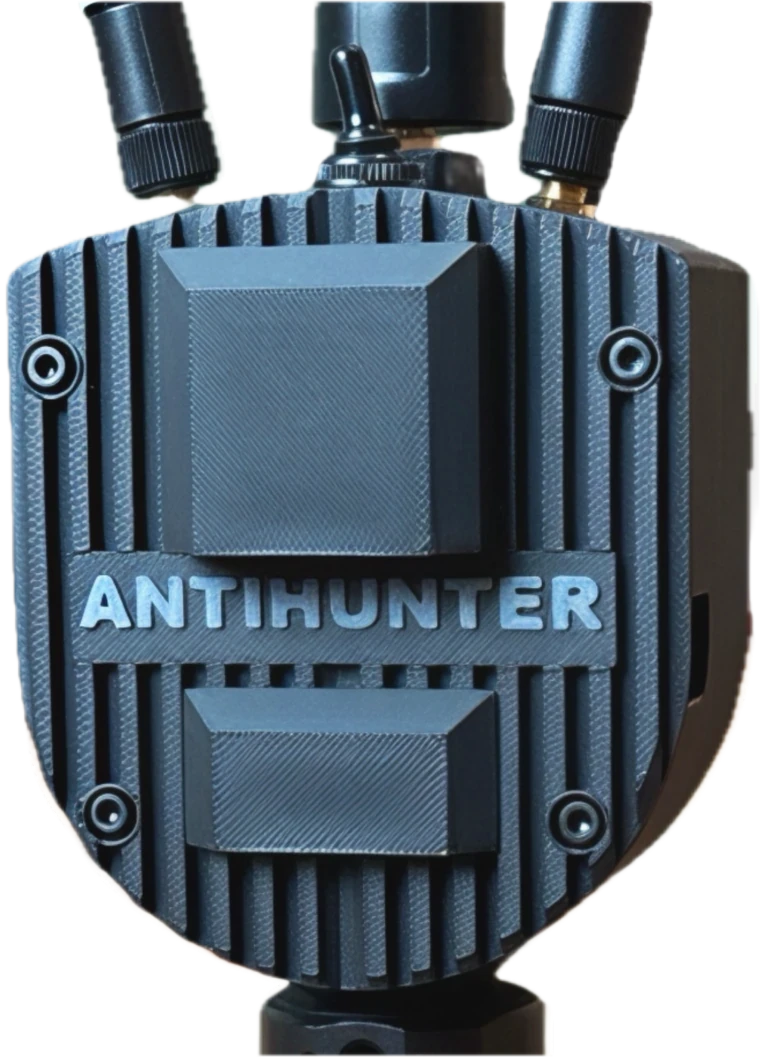
A digital and physical tripwire. Set it up once and it learns what belongs around you, then tells you when something doesn't. Run one at home, or a network of them across a property or event.
A bedroom, a fence line, a venue, or a cabin with no signal. It does the watching so you don't have to.
It learns the phones, speakers and gadgets that live in your home, and lets you know when a new one shows up or keeps coming back.
Place a few along the fence and a stranger's phone gets flagged as soon as it comes in range. If someone moves one, it knows.
It catches WiFi attacks as they happen and tells you which tool is behind them. With three or more units, it can put the source on a map.
It runs on battery with no internet or cell signal, and still gets alerts to your other units over long-range radio.
Every WiFi and Bluetooth device nearby, drones overhead, and attacks on your network, from a box that fits in your hand.
Phones, watches, earbuds, cameras, and the networks they're searching for. It learns what's normal and points out what isn't, even when a phone tries to hide by changing its address. Add the ESP32-C5 and it covers 5 GHz too.
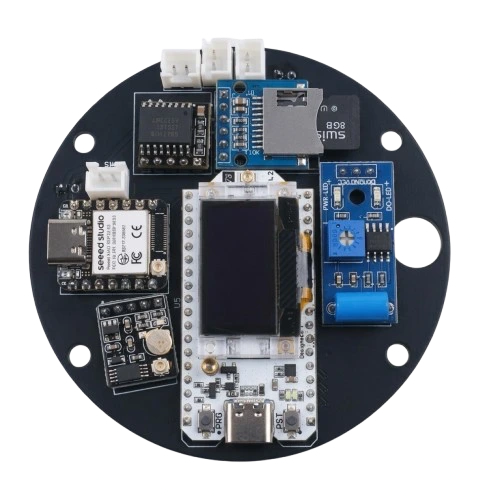
When someone knocks devices off your WiFi, sets up a fake copy of your network, or tries to grab your WiFi password, AntiHunter catches it and tells you which tool they're using. It can start tracking the source on its own.
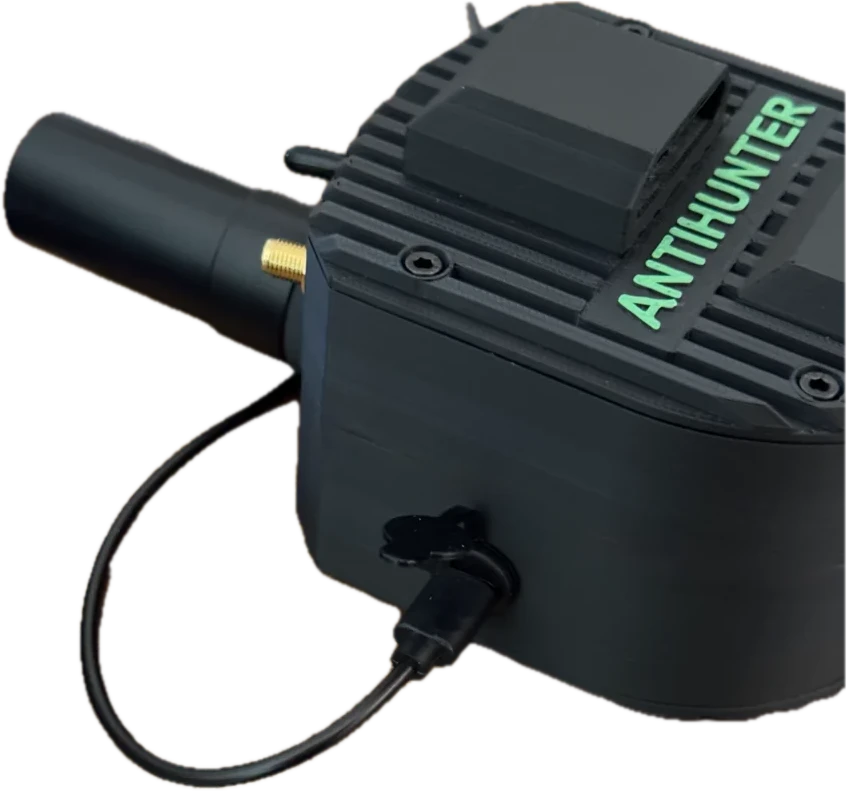
Power it from USB or two rechargeable batteries, put it where you need it, and let it run. Sealed gaskets keep out rain and dust, and there's no account or subscription.
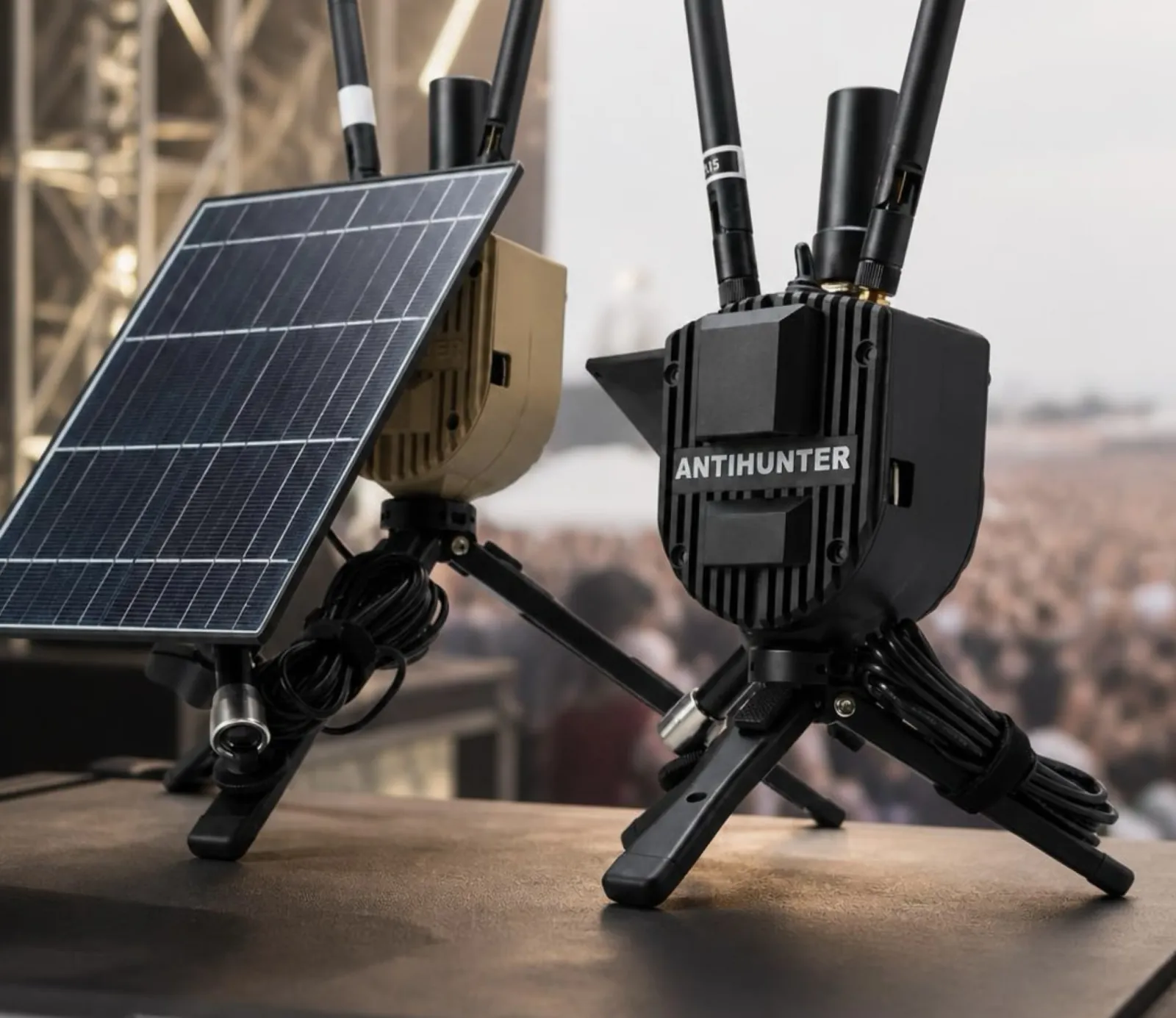
Check it from the web dashboard when you're nearby, or send it commands from the Meshtastic app when you're miles away. Alerts reach you the moment something happens. Everything is saved to its memory card, and the API lets your own security tools pull the data.
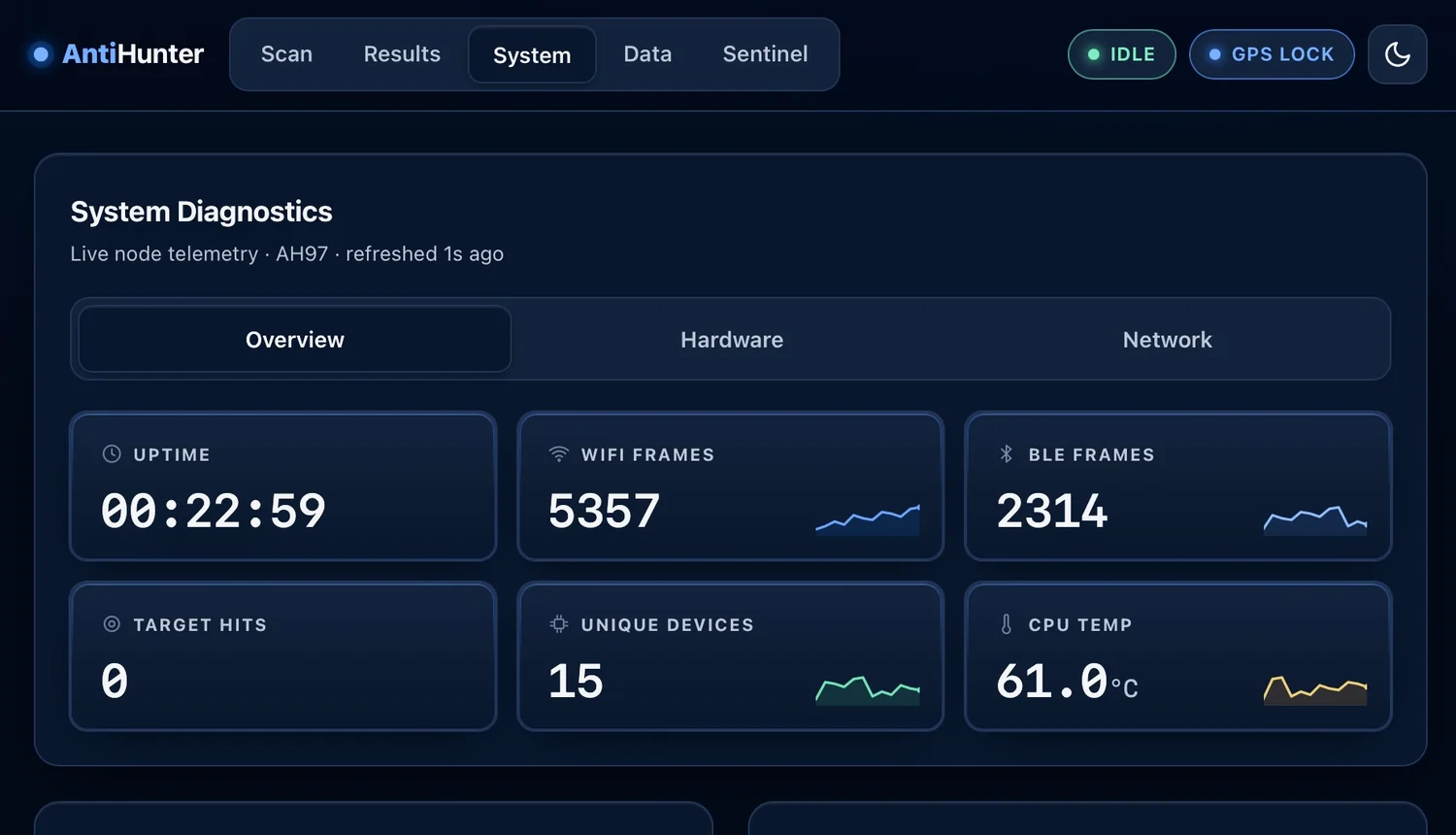
Each unit does one job at a time. Run a few to cover more ground, or switch jobs whenever you like.
One unit works on its own. Add more and they share alerts over long-range radio, miles apart, with no internet.
Each one watches the area around it and keeps a record.
Alerts travel between units by long-range radio. No WiFi or cell service needed.
The Command Center puts every unit, target and drone on one live map.
Enterprise sensors cost tens of thousands of dollars and need a wall and a power line. AntiHunter runs on battery, with no fees.
| AntiHunter | Dedrone RF-360 | Bastille | WiFi Pineapple | ESP32 Marauder | |
|---|---|---|---|---|---|
| Price per sensor | $180–350 | $58,000/site | Quote only | ~$120–300 | $10–160 |
| Signals detected | WiFi, Bluetooth, drone ID, attacks | Drone RF | WiFi, BLE, cellular | WiFi | WiFi, BLE |
| RF coverage | 2.4 / 5 GHz | Drone bands | 25 MHz–6 GHz | 2.4 / 5 GHz | 2.4 / 5 GHz |
| Battery / field deployable | Yes, 18650 or solar | No, PoE / AC | No, PoE / AC | No, USB / AC | Yes, handheld |
| Long-range mesh, no infrastructure | Yes, LoRa | No | No | No | No |
| Physical / tamper sensing | Yes, vibration sensor | No | No | No | No |
| Open source | Yes: firmware, STLs, C2 | No | No | Partial | Yes: firmware + STLs |
| Recurring fees | None | License | Subscription | None | None |
Everything is open source. Buy it ready to go, as a kit, or as a bare board to build yourself.
“The product is awesome and it arrived quickly. It is amazing getting near instant support and RF education on the discord.”
Robert M., verified buyer
For bigger setups. Run it on your own server to see every unit, target and drone on one live map, get alerts, and control the whole fleet from one screen.
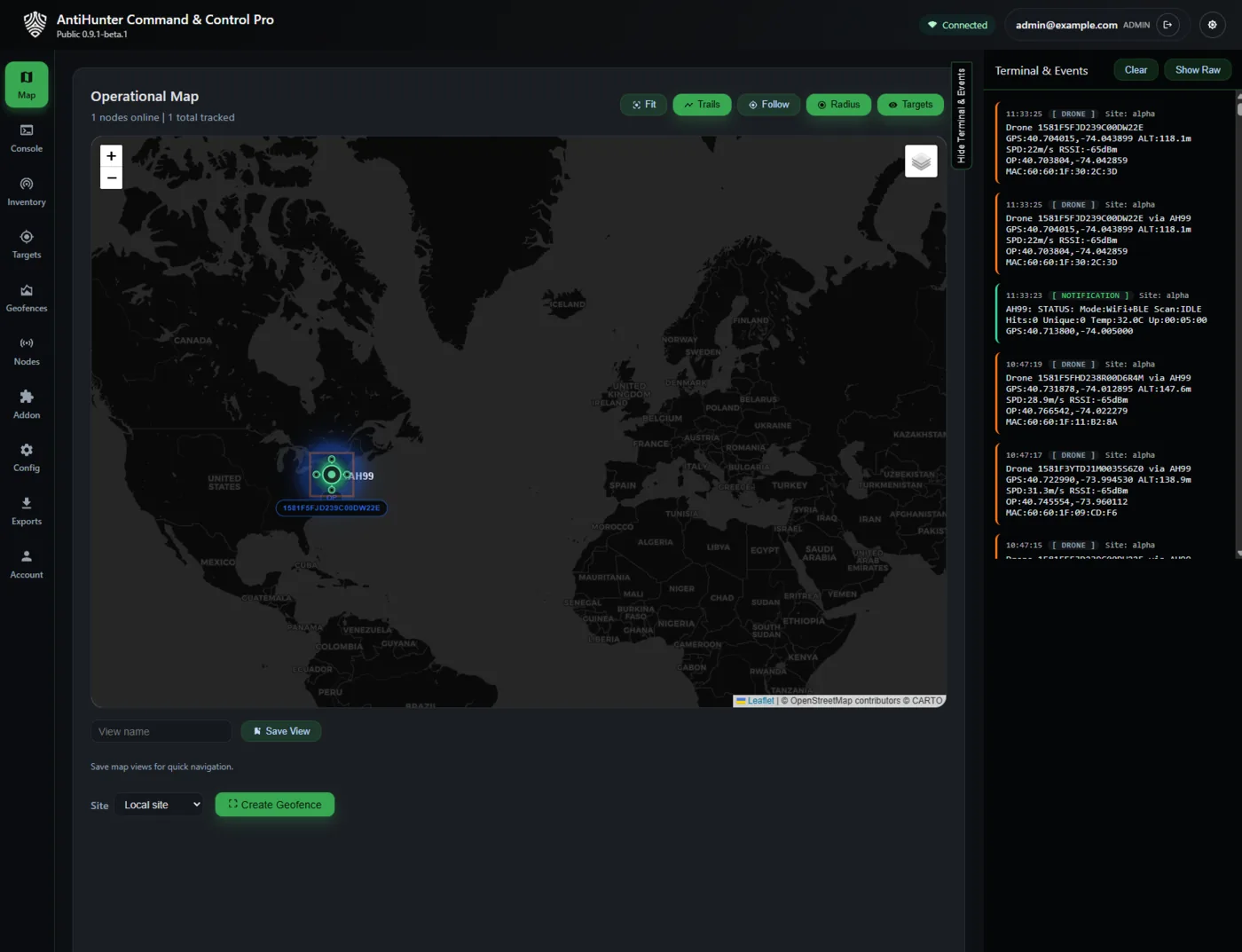
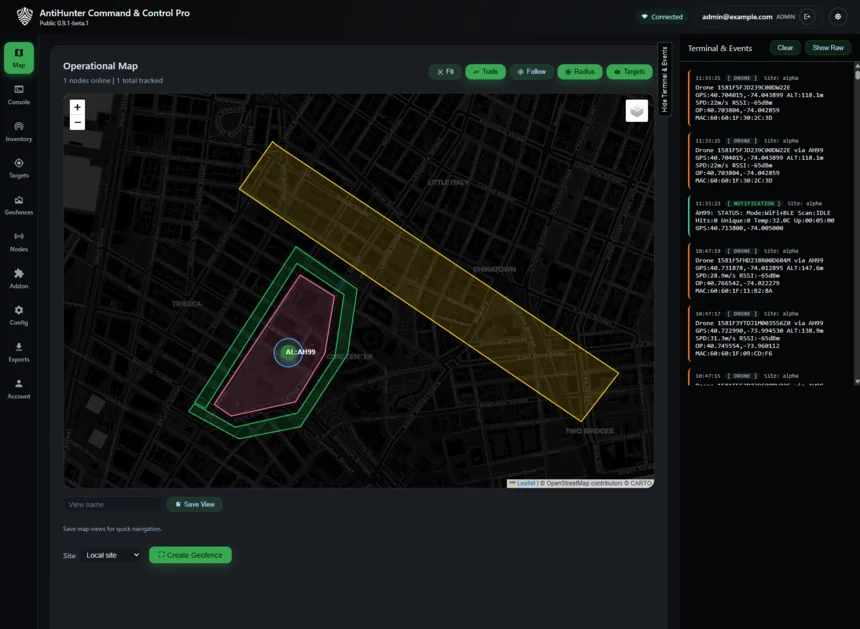
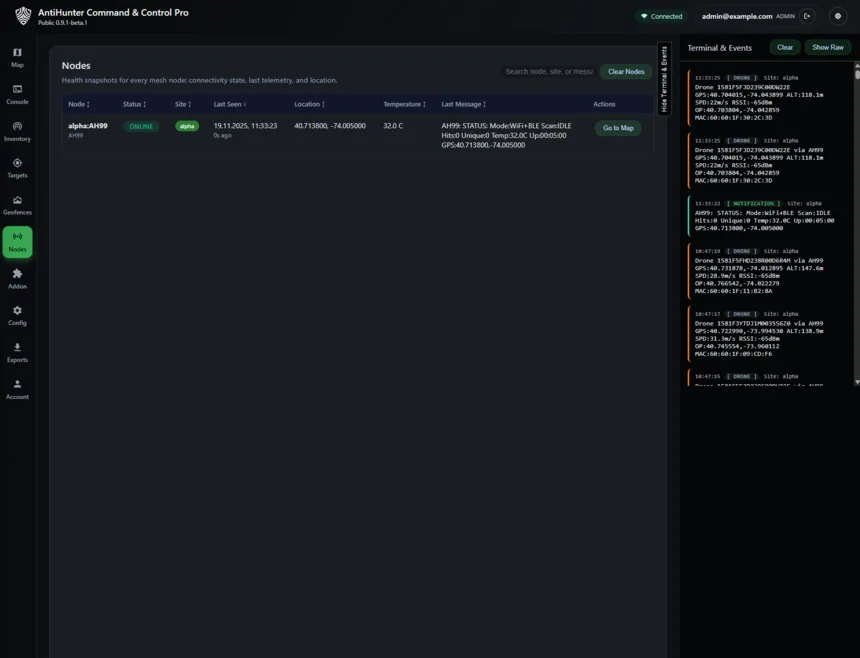
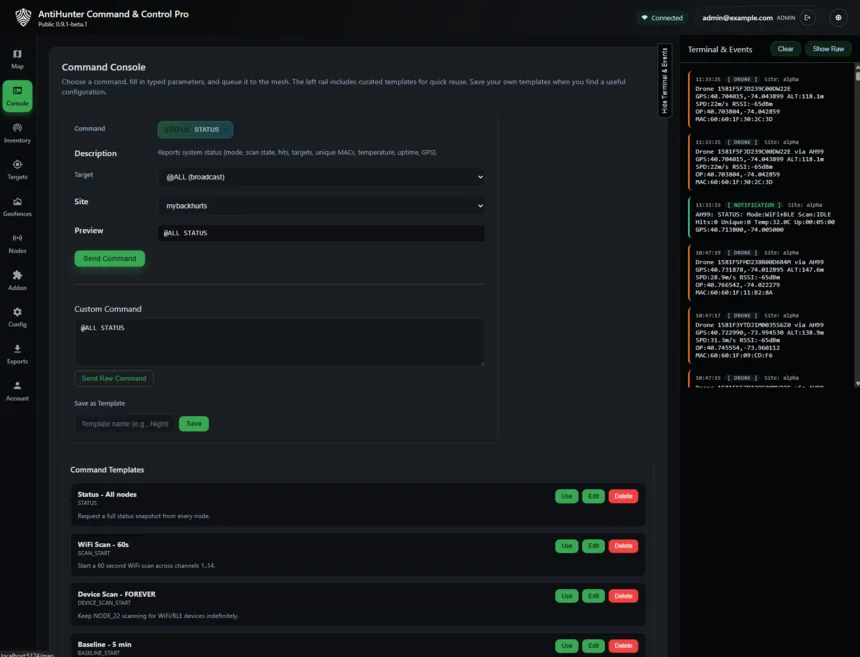
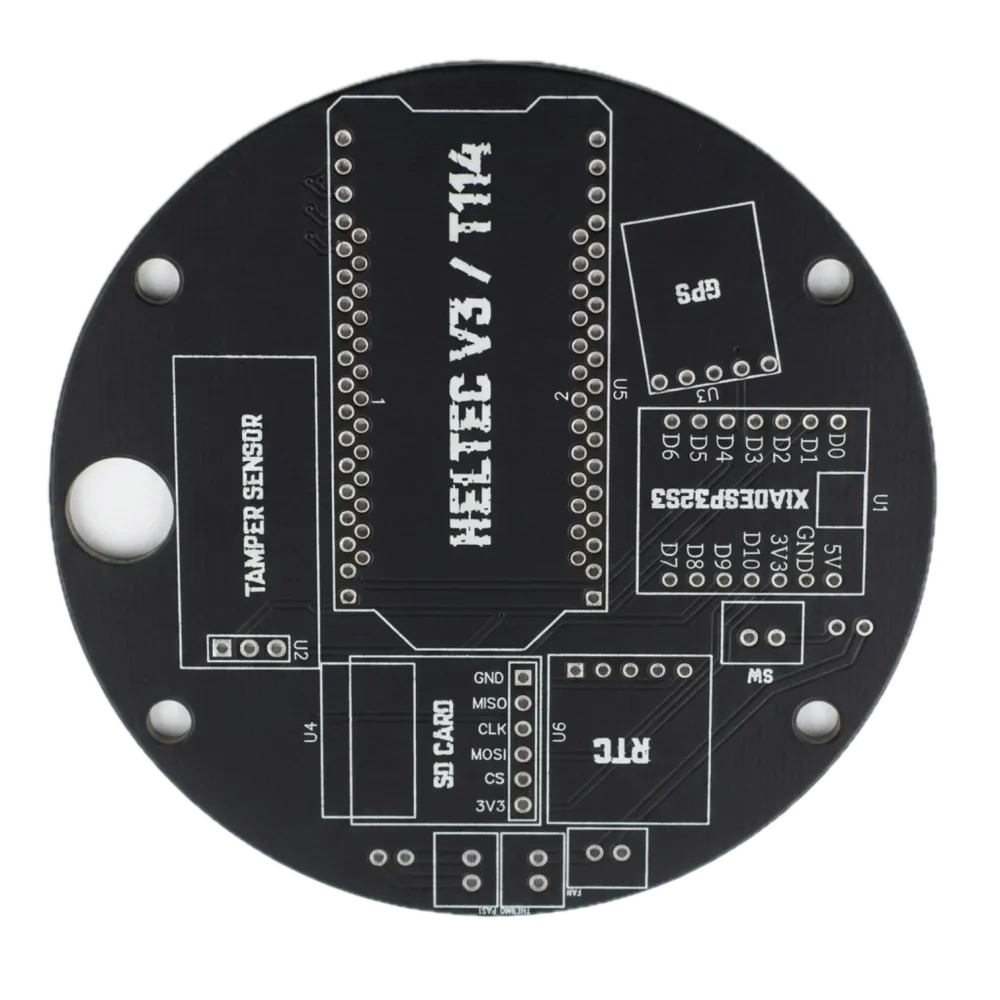
Fully open and documented. Buy it built, as a kit, or as a bare board.
New units and upgrades that work with the ones you already have.
Swap in an ESP32-C5 on the same board to add 5 GHz WiFi.
Adds 24 GHz radar that spots movement up to 100 m, tells a person from a vehicle, and records which devices were nearby at that moment.
In the works: a software radio to pick up signals beyond WiFi and Bluetooth.
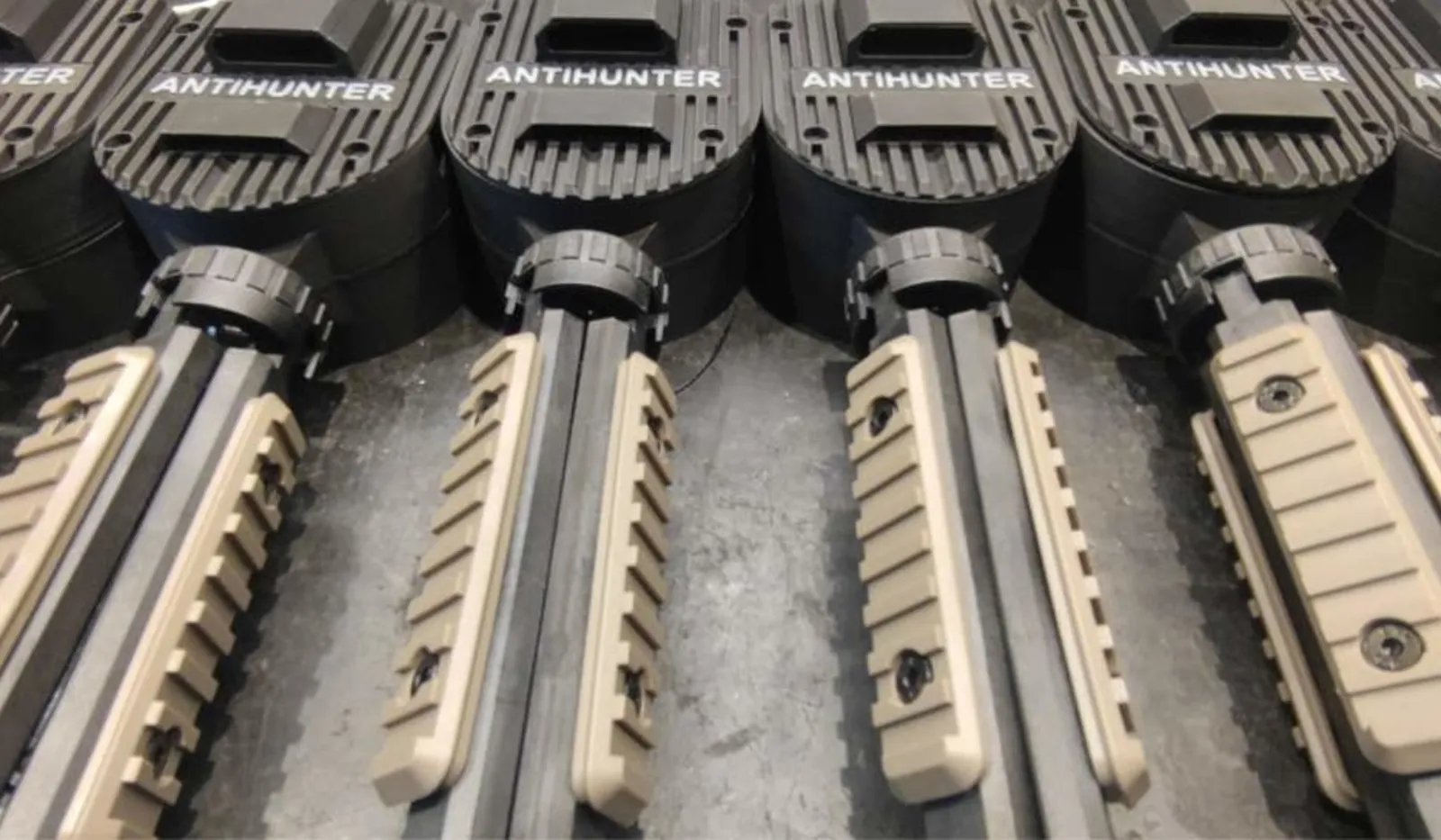
Every finished unit is put together and tested by hand before it ships.
Install the firmware from your browser, place it where you need it, and let it run.
AntiHunter listens. It never jams or attacks anything. The code is open source, and your data stays with you.